Dubai · Real Estate Advisory

Property decisions deserve perspective.

Emata Properties is an independent Dubai advisory. We compare developers, communities and payment plans so you can invest with clarity — from your first apartment to a portfolio strategy.

Why Emata

Advisory, not a sales floor.

Our commercial success depends on the trust we earn from repeat and referred clients — not on a single project we're pushed to sell.

01

Transparent guidance

Real numbers, real risks. We show payment plans and service charges before we show floor plans.

02

Multiple developer comparison

We are not a sales office. We compare across 39+ developers to fit your goal.

03

International buyer support

Remote-first workflows for investors in London, Riyadh, Mumbai, Lagos and beyond.

04

End-to-end coordination

Reservation, KYC, mortgage introductions, handover, snagging and resale — one team.

Start now

Get your property shortlist without leaving this page.

Share your objective and budget — we'll respond within one business day with a comparison across 39+ developers.

Communities

Where Dubai lives well.

Palm Jumeirah
Waterfront

Palm Jumeirah

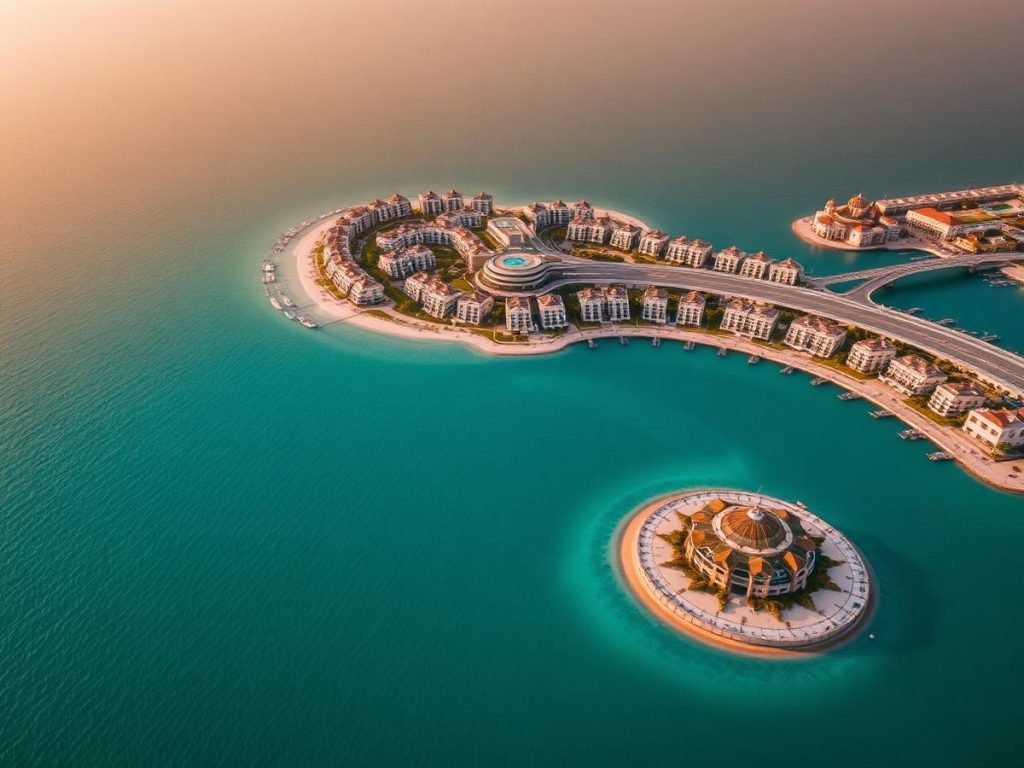
Iconic island living, branded residences and beachfront villas.

Dubai Marina
Skyline

Dubai Marina

High-rise apartments on the water with world-class amenities.

Downtown Dubai
Central

Downtown Dubai

Burj Khalifa district — the postcode for landmark residences.

Developer directory

39+ developers, compared on the same standards.

Delivery history, master planning, product range and current inventory — evaluated independently.

Emaar Properties
DAMAC Properties
Nakheel
Meraas
Sobha Realty
Danube Properties
Binghatti
Ellington Properties
Azizi Developments
Deyaar Development
Samana Developers
Tiger Properties

Frequently asked

Frequently Asked Questions About Buying Property in Dubai

Clear answers for Dubai residents, international investors and first-time buyers.

Yes. Foreign buyers can own property in areas designated for foreign ownership, commonly known as freehold areas. Before buying, confirm the property's ownership classification and registration details with Dubai Land Department.

Yes. UAE residency is not generally required to purchase eligible property in a designated freehold area. Non-resident buyers usually need a valid passport and must complete the developer, bank and compliance requirements applicable to the transaction.

Yes. Many off-plan and selected ready-property steps can be completed remotely through virtual presentations, electronic documents and approved payment channels. Some transactions may require attendance, bank procedures or a legally authorised representative.

Costs can include the property price, Dubai Land Department registration fee, trustee or administration charges, agency fee, mortgage expenses, valuation, NOC charges and other transaction costs. The exact total depends on the property and purchase method.

The standard sale-registration fee is currently 4% of the property's sale value, with additional administrative, trustee, map or certificate charges where applicable. The agreement determines how the fee is allocated between the parties, so the latest amount must be confirmed before purchase.

Dubai regulates off-plan sales, but no investment is risk-free. Buyers should verify the developer, project registration, escrow account, sales permit, construction status, payment plan and sale agreement before committing.

Use Dubai Land Department and Dubai REST project-status services to check available registration and project information. Also verify the developer, broker, marketing permit, escrow details and official project documents.

The buyer should review the sale agreement, obtain an official project-status update and communicate formally with the developer. Available remedies depend on the contract, reason for delay, project status and applicable Dubai regulations.

Yes. Licensed banks offer property finance to eligible UAE residents. Approval depends on income, employment or business history, existing debts, credit profile, age, property valuation and the bank's policies.

Some UAE banks offer mortgages to eligible non-residents. Product availability is more limited and the bank may require a larger down payment, specific nationalities, minimum income, additional documents and stronger affordability evidence.

The amount depends on residency, nationality, property value, property type and whether it is the buyer's first or additional property. For many expatriate first-home purchases up to AED 5 million, the regulatory maximum financing may be 80%, meaning at least 20% from the buyer, but banks may require more.

No. Property ownership and residency are separate processes. A property may support a residence application only when the investor, property value, ownership status and other conditions meet the current government requirements.

The current Dubai Land Department service allows an eligible real estate investor with property valued at AED 2 million or more at purchase to apply for a renewable 10-year residence permit. All other current conditions and documents must also be satisfied.

No. Rental income, resale value and capital appreciation are not guaranteed. Buyers should evaluate the project, price, costs, demand, future supply, payment plan, financing and exit strategy before investing.

Yes. Emata can compare suitable projects across developers based on your budget, objective, location, property type, payment preference, handover timeline and planned exit strategy.

Start the conversation

One shortlist. One advisor. Zero pressure.

Share your objective. We'll respond within one business day with a tailored comparison.

Request a callback

Chat with us